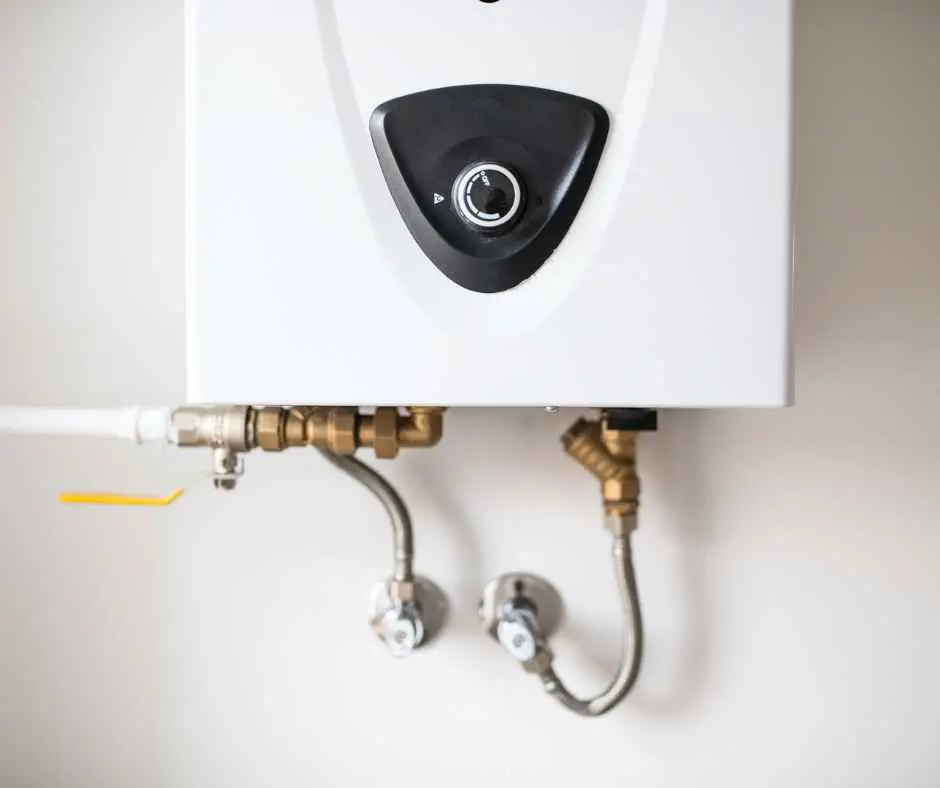
A tankless water heater can be worth the investment in Marietta when your household wants better energy efficiency, longer equipment life, and endless hot water without a tank. The real return depends on your fuel type, daily hot water use, installation complexity, and whether your home is a good fit for tankless water heater installation.
Many homeowners look at a tankless water heater and focus on one number first: price. That makes sense. The upfront cost of a tankless water heater is usually higher than that of a traditional tank replacement, so the obvious question is whether the upgrade actually pays off.
In many Marietta homes, the answer is yes, but not for every household. A tankless system can lower standby energy loss, free up space, and provide hot water on demand. But the payoff depends on how much hot water your family uses, whether you have natural gas available, and how involved the tankless water heater installation will be.
In this guide, you will learn when a tankless water heater makes financial sense, what factors most affect tankless water heater costs, and how Marietta homeowners can consider ROI before making the switch.
What Makes a Tankless Water Heater Different?
A tankless water heater heats water only when you need it, instead of keeping a full tank hot all day. That means it avoids the standby heat loss that comes with storage-style units. It also changes the way homeowners think about performance, because the system is sized around flow rate and demand rather than tank capacity alone.
That is one reason many homeowners see tankless as an upgrade. You are not paying to store hot water 24/7. Instead, the system responds when a shower, faucet, dishwasher, or washing machine calls for hot water.
Is a Tankless Water Heater Worth the Cost?
For many households, yes, but the return is not the same across all homes. Tankless units can be more energy-efficient than conventional storage water heaters, especially in homes with lower-to-moderate daily hot water use. Federal energy guidance notes that homes using 41 gallons or less of hot water per day can see larger percentage savings, while savings still exist at higher usage levels, but may be lower.
That means a tankless water heater is often worth it when:
- Your current water heater is aging out
- Your household wants longer showers without running out of hot water
- You want to cut standby energy waste
- You plan to stay in the home long enough to benefit from the upgrade
- Your home is a good candidate for efficient tankless water heater installation
What Drives Tankless Water Heater Cost?
The biggest reason ROI varies is that the cost of a tankless water heater is not just about the unit itself. Installation conditions often matter as much as the heater you choose.
Your total cost may be affected by:
- gas vs. electric equipment choice
- system size and flow capacity
- venting requirements
- gas line upgrades
- electrical work
- water line changes
- location of the new unit
- whether old equipment must be removed and replaced in a difficult space
In other words, two Marietta homes can receive very different quotes for the same idea because the real cost depends on how simple or complex the tankless water heater installation will be.
Why Does Installation Matter So Much for ROI?
A tankless system may save energy over time, but a complicated installation can stretch the payback period. If the home needs venting changes, a larger gas line, or multiple units to meet demand, the upfront investment climbs.
That does not automatically make tankless a bad investment. ROI should be based on the full project, not the equipment brochure. A straightforward replacement in a well-suited home usually has a better financial case than a retrofit with major infrastructure changes.
Does Household Size Change the Math?
Absolutely. A one- or two-person household may see greater efficiency gains because tankless units perform especially well when hot water use is lower and more spread out.
For larger families, the value may come less from energy savings than from comfort and convenience. A properly sized tankless water heater can provide continuous hot water, but simultaneous demand still matters. Running multiple showers and appliances at once can push even a large unit to its limit, which is why sizing is critical.
So for bigger households, the real ROI question becomes: are you paying for lower utility waste, better hot water performance, or both?
Is Tankless Better for Gas- or Electric-Homes?
In many cases, gas tankless systems make the strongest case for whole-home use because they generally deliver higher flow rates than electric models. That matters for households that expect multiple hot water uses at the same time.
Electric tankless units can still make sense in certain situations, but whole-home electric systems may be more limited depending on demand and electrical capacity. That is why the fuel source is one of the first things to evaluate before deciding whether a tankless water heater installation makes sense for your Marietta home.
What Are the Real Long-Term Benefits?
A tankless water heater is often attractive because the return is not only about monthly utility savings.
Long-term benefits can include:
- reduced standby heat loss
- longer expected service life than many storage tank models
- endless hot water when sized correctly
- space savings
- lower risk of a full tank leaking into the home
For some homeowners, that mix is what makes the higher cost of a tankless water heater easier to justify. The savings may show up partly on the utility bill and partly in day-to-day comfort and long-term equipment value.
When Is a Tankless Water Heater Not Worth It?
A tankless upgrade may not be the best fit when:
- Installation requires major gas, venting, or electrical changes
- The household has a very high simultaneous hot water demand
- The homeowner plans to move soon
- The least expensive upfront replacement is the main goal
In those cases, a tankless unit may technically work, but the payback may not be strong enough to make it the best financial choice.
How Should Marietta Homeowners Think About ROI?
The smartest way to think about ROI is to compare three things:
- Upfront cost: What will the full tankless water heater installation cost in your home?
- Operating value: How much energy waste are you likely to reduce?
- Lifestyle value: How important are endless hot water, space savings, and longer system life?
If your installation is straightforward and your household is a good match, the numbers usually look much better. If the install is complex or demand is extremely high, the value may depend more on convenience than on pure energy savings.
Quick Answer: Is a Tankless Water Heater Worth It in Marietta?
For many Marietta homes, yes. A tankless water heater is often worth the cost when:
- The home has a good fuel setup
- Hot water use is moderate or predictable
- The installation is not unusually complex
- The homeowner wants long-term efficiency and convenience
It may be less compelling when the upfront budget is the top priority or the home needs major changes before a tankless system can be installed.
Call the Herd That’s Heard It All to Replace Your Water Heater
The best water heater choice is not the one with the lowest sticker price. It is the one that fits your home, your hot water habits, and your long-term goals. In many cases, a tankless water heater can absolutely be worth the investment, but only when the system is sized correctly, and the installation is planned around the home.
All Airs Heating, Cooling & Plumbing can help you compare options, evaluate your current setup, and determine whether a tankless water heater installation makes financial sense for your Marietta home. Contact All Airs Heating, Cooling & Plumbing to schedule a water heater evaluation.