Deciding how to heat your home in North Georgia can be a challenge because our winters are famously unpredictable. One week, we enjoy a mild afternoon in the 60s; the next, a sudden cold front brings freezing temperatures to the metro area. For homeowners in the Greater Atlanta region, the choice between a heat pump and a furnace isn’t just about comfort; it is about long-term financial strategy. Both systems have their strengths, but their performance varies wildly depending on our local humidity and utility rates.
In this guide, we will examine the Atlanta heat pump vs. furnace breakdown to see which system actually saves you more this winter.
Efficiency in the “Golden Zone”: How Heat Pumps Win
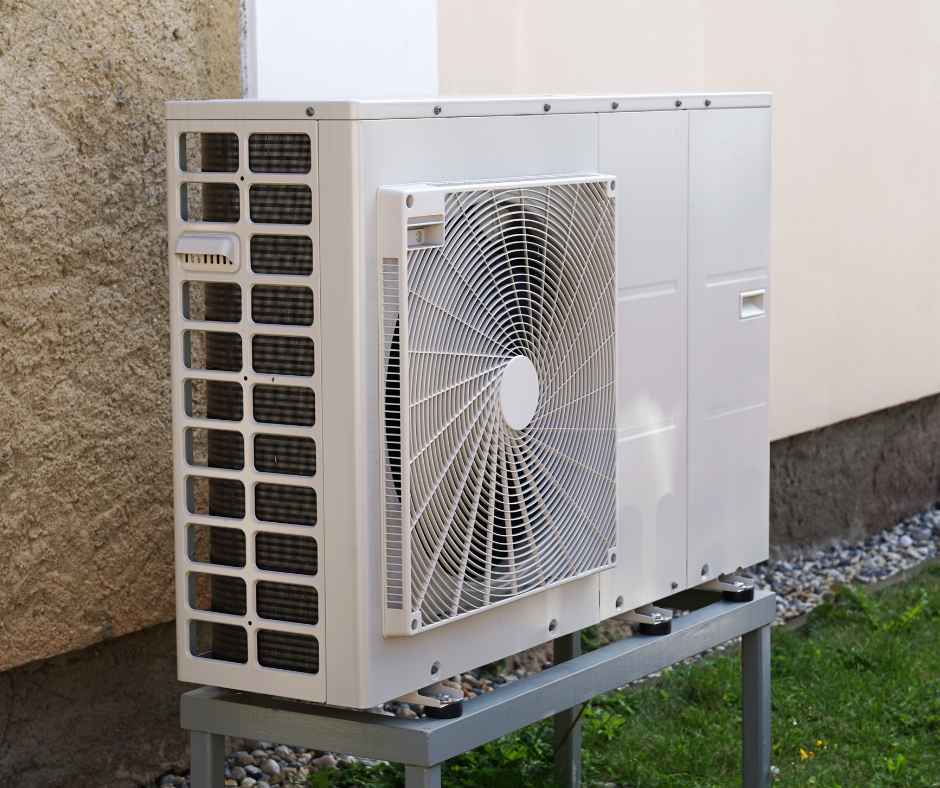
For much of the Atlanta winter, the temperature stays between 40 and 60 degrees. This range is the “golden zone” for heat pump efficiency. Because a heat pump moves heat rather than generating it, it can achieve efficiency ratings above 300%. This means for every unit of electricity the system uses, it moves three units of heat into your home. In a climate like North Georgia, where the ground rarely freezes and the air is usually warm, a heat pump is often the most cost-effective way to keep your home comfortable for most of the season.
Modern heat pumps are far more capable than the models installed a decade ago. High-efficiency units can now maintain their performance even as temperatures dip below freezing. By using variable-speed fans and advanced refrigerants, these systems deliver a steady, consistent heat output that avoids the “blast and fade” cycles common with older technology. For the average suburban Atlanta home, this translates to lower energy consumption during the long stretches of mild winter weather.
- Transfer vs. Creation: Moving heat from the outside air requires significantly less energy than burning fuel or using electric resistance coils.
- Dehumidification Bonus: Even in winter, Atlanta can be damp; heat pumps are effective at managing indoor humidity by circulating air.
- Variable-Speed Performance: Modern units adjust their output to match your home’s exact heating load, reducing energy waste.
- Lower Carbon Footprint: Because they rely on electricity and high-efficiency heat transfer, heat pumps are generally considered the “greener” choice for Georgia residents.
When you look at the total hours spent heating your home in Atlanta, the vast majority of that time is spent in temperatures where the heat pump excels. While they may struggle in a rare ice storm, their performance during the other 90% of the winter makes them a formidable contender for the title of “most efficient.” For homeowners looking to minimize their environmental impact and maximize their seasonal savings, the heat pump is often the logical starting point for an HVAC upgrade.
The Raw Power of Gas: When a Furnace is King
While heat pumps are incredibly efficient in mild weather, a natural gas furnace is a true powerhouse built for the “raw cold.” Instead of moving existing heat from the outside, a furnace creates its own warmth through combustion. For many long-time Atlanta residents, nothing beats the feeling of a gas furnace during a sudden January freeze. When the temperature drops into the 20s or teens, a furnace doesn’t care how cold it is outside; it will continue to deliver a consistent, high-intensity blast of heat that can reach 49°C to 60°C (120°F to 140°F) at the register.
This reliability is why furnaces remain a staple in many North Georgia homes, especially older or less-insulated homes. A furnace provides a “fast recovery” time, meaning if you turn your thermostat down while you are at work, it can raise the temperature of your entire home in just a few minutes once you return. Modern high-efficiency models, known as condensing furnaces, now achieve AFUE (Annual Fuel Utilization Efficiency) ratings of up to 98.5%, meaning almost every penny you spend on natural gas is converted directly into indoor warmth.
- Superior Temperature Output: Furnaces produce significantly warmer air than heat pumps, which many people find more “cozy” on a freezing night.
- Cold-Snap Resilience: A gas furnace operates at the same capacity regardless of the outside temperature, from 50 degrees to 5 degrees.
- Rapid Heating: The speed at which a furnace can warm a cold house is unmatched by standard electric heat pump systems.
- Simpler Mechanics: Because they only need to provide heat (not cooling), furnaces often have fewer complex outdoor components that can be affected by ice and snow.
For homes in areas like Marietta or Alpharetta that experience “micro-climates” or more frequent frost, the brute force of a furnace can be a major comfort advantage. It eliminates the “lukewarm” feeling of a heat pump and provides a sense of security during the rare but brutal Georgia ice storms. However, because it relies on the combustion of fossil fuels, it is inherently less efficient than a heat pump on many “transitional” days when the weather is cool but not freezing.
Operating Costs: Breaking Down the Monthly Bill
When deciding between a heat pump and a gas furnace, the most important question is usually: “How much will this cost me every month?” In 2026, utility rates in the Greater Atlanta area have made this calculation more interesting than ever. As of early 2026, average residential electricity rates in Atlanta hover around $0.15 to $0.20 per kWh, which remains significantly lower than the national average. Meanwhile, natural gas fixed rates are approximately $0.64 to $0.75 per therm.
The hidden cost of natural gas in North Georgia often lies in the “pass-through” charges from Atlanta Gas Light (AGL). Even if you use very little gas, you may see monthly base charges of $30 to $50 during the winter months just for the infrastructure connection. A heat pump eliminates these specific gas-related fees if you transition to an all-electric home. However, because heat pumps run on electricity, they will increase your winter power bill. The key is determining whether that increase is lower than what you would have spent on gas and associated delivery fees.
- The Efficiency Multiplier: Because a heat pump is 300% efficient in mild weather, it can often heat your home for roughly half the cost of a gas furnace when the temperature is 50°F.
- AGL Base Charges: Natural gas users must factor in the monthly service fees and pass-through charges that apply regardless of actual fuel usage.
- Seasonal Variations: During a rare Atlanta “Deep Freeze” (below 30°F), the cost of running a heat pump increases as it may engage expensive electric backup strips, whereas gas costs remain relatively stable.
- Annual Savings: Most industry data for 2026 suggests that a high-efficiency heat pump can save the average Atlanta homeowner roughly $300 per year in total utility costs compared to a standard gas/AC split system.
For many Atlanta families, the heat pump wins on monthly operating costs for about 80% of the winter. The savings generated during those long, mild stretches of November, December, and March usually more than offset the slightly higher costs incurred during the peak of January. If your goal is the lowest possible total annual utility expenditure, the modern heat pump is currently the most statistically sound investment for the North Georgia climate.
Longevity and Maintenance: The Long-Term ROI
Beyond the monthly bill, you must consider the “Total Cost of Ownership” over the life of the system. A natural gas furnace is a relatively simple machine with a long history of durability; a well-maintained furnace can easily last 15 to 20 years. In contrast, a heat pump typically has a lifespan of 12 to 15 years. This difference exists because a heat pump works year-round, while a furnace “rests” for more than half the year.
Maintenance requirements also differ. A furnace requires a professional to check for gas leaks, ensure proper venting, and inspect the heat exchanger for cracks that could be dangerous. A heat pump requires specialized attention to its refrigerant levels and its outdoor coil, which must remain clean to facilitate heat transfer. Because a heat pump failure in the summer means no AC and a failure in the winter means no heat, maintaining a biannual maintenance schedule is non-negotiable for these all-in-one systems.
- Component Wear: Heat pumps accumulate “run hours” twice as fast as furnaces, leading to more frequent part replacements over time.
- Safety Inspections: Gas furnaces require rigorous carbon monoxide testing, whereas heat pumps are entirely electric and pose no CO risk.
- Refrigerant Costs: Heat pumps rely on high-pressure refrigerant cycles; if a leak occurs, the cost of specialized 2026-compliant refrigerants can be high.
- System Complexity: Heat pumps have a reversing valve and an outdoor fan motor that operate in the winter, adding two potential points of failure that a furnace does not have.
While a furnace might last five years longer on average, you must weigh that against the fact that a heat pump replaces two separate machines (your AC and your furnace). When it’s time for replacement, you’re buying only one outdoor unit rather than an outdoor AC unit and an indoor furnace. This “bundled” approach can simplify your long-term home improvement planning, provided you are diligent with the preventative care required to keep a year-round system healthy.
The Hybrid Solution: Best of Both Worlds
If you are torn between the efficiency of a heat pump and the reliability of a gas furnace, there is a third option that is becoming the “gold standard” in North Georgia: the Dual Fuel or Hybrid system. This setup pairs an electric heat pump with a high-efficiency gas furnace. The system is programmed to use the heat pump during Atlanta’s many mild winter days and automatically switch to the gas furnace only when the temperature drops below a certain point (typically around 2°C or 35°F).
This hybrid approach allows you to “cherry-pick” the cheapest energy source at any given moment. You get the 300% efficiency of the heat pump when it’s 50 degrees outside, but you have the scorching 140-degree air of the gas furnace ready for those rare nights when the wind starts howling. At All Airs Home Services, we often recommend this configuration for homeowners who want maximum comfort and are looking to “future-proof” their homes against fluctuating energy prices.
- Automatic Switching: The system’s computer monitors outdoor temperature and selects the most cost-effective heating method, with no manual input required.
- Redundancy: If your heat pump has a mechanical issue, you still have the gas furnace as a backup, and vice versa.
- Maximized Incentives: Many dual-fuel installations qualify for the highest levels of federal tax credits under the Inflation Reduction Act, potentially saving you up to $2,000 on the initial installation.
- The Comfort Compromise: You avoid the “lukewarm” air of a heat pump during extreme cold while still enjoying lower electricity bills throughout the rest of the season.
The Hybrid solution is particularly effective in Metro Atlanta because our weather is so variable. It handles the “70 degrees on Monday, 30 degrees on Tuesday” reality of our climate better than any single-source system. While the upfront cost is higher than that of a standard split system, the combination of energy savings, tax incentives, and exceptional comfort makes it the ultimate choice for long-term satisfaction in the North Georgia region.
Expert Guidance with All Airs Home Services
Choosing the right heating system for your Atlanta home is a major decision that shouldn’t be made with a “one-size-fits-all” mentality. At All Airs Home Services, we take the time to perform a full load calculation of your home, analyze your historical utility bills, and understand your family’s comfort preferences before making a recommendation. Whether you are leaning toward the high-efficiency future of an all-electric heat pump or the classic reliability of a gas furnace, our NATE-certified technicians have the expertise to ensure a perfect installation.
We pride ourselves on our transparency and our deep roots in the Atlanta community. We aren’t just here to sell you a box; we are here to provide a climate solution that makes sense for your specific neighborhood, from the historic homes of Buckhead to the newer developments in Gwinnett County. Our commitment to “Best-in-Class” service means you can count on us for honest advice, fair pricing, and support that lasts long after the installation is complete.
Unsure which system is right for your home? Contact All Airs Home Services today to schedule a comfort consultation and get a custom quote for your winter heating upgrade!
Frequently Asked Questions
Is a heat pump enough for an Atlanta winter?
Yes. Modern heat pumps are well-suited to the temperatures we see in North Georgia. While they may need backup “strip heat” or a furnace on the coldest nights, they will keep you warm through 99% of our winter weather.
How much can I save with the federal tax credits in 2026?
Under current 2026 guidelines, you can often claim up to 30% of the project cost, capped at $2,000 per year, for a high-efficiency heat pump installation. We can help you identify exactly which models qualify for these savings.
Why does my gas bill have a “pass-through” charge even when I don’t use the heat?
Atlanta Gas Light (AGL) charges all customers a base fee to maintain the pipelines, meters, and infrastructure. This fee varies by month and is highest in the winter, regardless of how many therms you actually burn.
Does a heat pump make the air feel “colder” than a furnace?
Because a heat pump delivers air at about 32°C to 38°C (90°F to 100°F), it can feel cool when it blows directly on your skin. A furnace delivers much hotter air. However, both systems will eventually bring the room to the same temperature on your thermostat.
What is the “balance point” for a dual-fuel system?
The balance point is the temperature at which it becomes more cost-effective or more efficient to switch from the heat pump to the gas furnace. In Atlanta, this is typically set between 32°F and 40°F, depending on your home’s insulation and current utility rates.