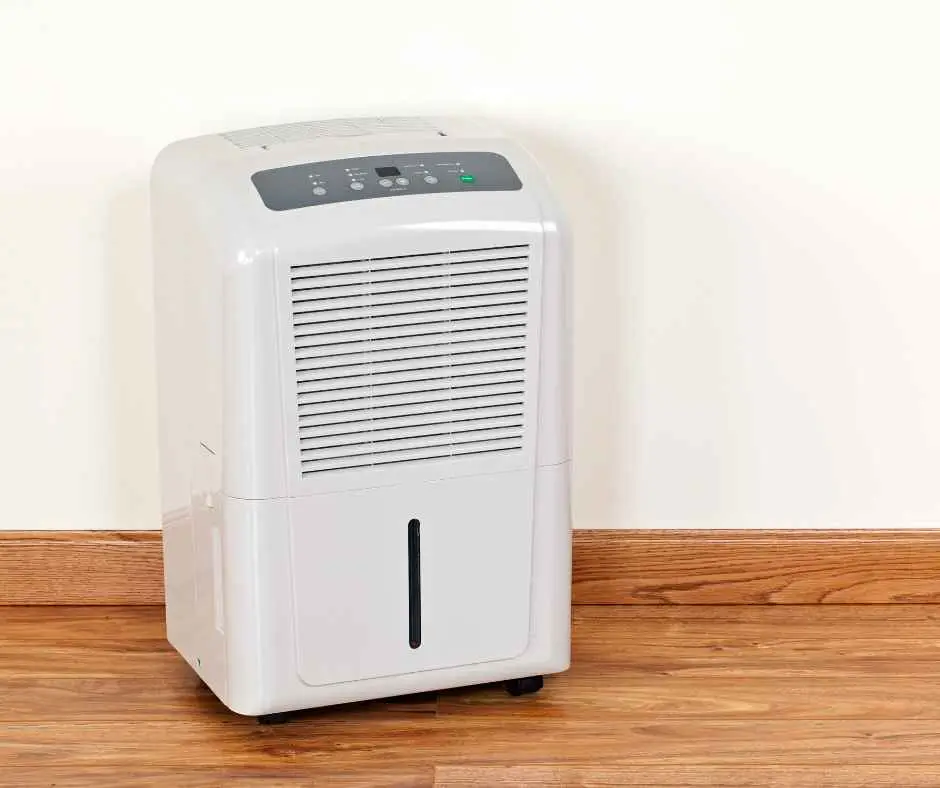
A whole-home dehumidifier helps Georgia homeowners control indoor humidity by removing excess moisture from the air throughout the entire house. This can improve comfort, reduce musty odors, protect your HVAC system, lower the risk of mold and mildew, and make the home feel cooler without constantly lowering the thermostat.
Georgia summers are known for heat, heavy air, afternoon storms, and humidity that seems to follow you indoors. Even when your air conditioner is running, your home may still feel sticky, damp, or uncomfortable. That is because cooling the air and controlling humidity are related, but they are not the same thing.
In this guide, we will explain why Georgia humidity is so hard on homes, how a whole-home dehumidifier works, and when All Airs Heating, Cooling & Plumbing can help you decide whether one is the right upgrade for your home this summer.
Why Georgia Humidity Is So Hard to Control Indoors
Humidity measures how much moisture is in the air. When indoor humidity is too high, your home can feel warmer than the thermostat says. You may set the AC lower, but the air still feels heavy.
High humidity can cause problems such as:
- Sticky or clammy indoor air
- Musty odors
- Condensation on windows
- Damp carpets or furniture
- Mold and mildew concerns
- Dust mite growth
- Warped wood floors or trim
- Peeling paint or wallpaper
- Increased allergy symptoms
- More strain on the HVAC system
In Georgia, humidity can enter the home through open doors, leaky ductwork, crawl spaces, gaps in the attic, poor ventilation, and daily activities like cooking, showering, and laundry. Once moisture gets inside, the air conditioner may not always remove enough of it.
Why Your AC Alone May Not Be Enough
Your air conditioner removes some moisture as it cools the air. However, an AC system is primarily designed to control temperature. If your home reaches the thermostat setting quickly, the system may shut off before it has removed enough humidity.
This can happen when:
- The AC system is oversized
- The home has poor ventilation
- Ductwork is leaky or unbalanced
- The crawl space is damp
- The system short cycles
- Airflow is restricted
- The home has high moisture sources
- The thermostat is set higher to save energy
- The outdoor humidity stays high for long periods
The result is a home that feels cool but damp. You may lower the thermostat to feel better, but that can increase energy use and still leave moisture behind.
A whole-home dehumidifier solves a different problem. Instead of only lowering the temperature, it removes moisture directly from the air.
What Is a Whole-Home Dehumidifier?
A whole-home dehumidifier is a humidity control system that works with your HVAC system to remove excess moisture throughout the house. Unlike a portable unit that only helps one room, a whole-home system is designed to manage humidity across multiple rooms through the duct system.
A whole-home dehumidifier can help:
- Pull moisture from indoor air
- Improve comfort throughout the home
- Reduce damp, sticky air
- Support better HVAC performance
- Help protect building materials
- Lower musty odors
- Reduce conditions that support mold and mildew
- Maintain a more consistent indoor environment
Most systems are installed by an HVAC professional and connected to the home’s ductwork or air distribution system. Moisture removed from the air drains away automatically, so homeowners do not have to empty buckets.
Signs Your Georgia Home Has Too Much Humidity
High humidity is not always obvious at first. Some homeowners only notice that the house feels uncomfortable, even though the AC seems to be working.
Common signs include:
- The home feels sticky even when cool
- You keep lowering the thermostat
- Musty smells appear in certain rooms
- Windows show condensation
- Bathrooms stay damp after showers
- Clothes or towels take too long to dry indoors
- Wood floors feel swollen or warped
- Doors stick during summer
- Dust or allergy symptoms seem worse
- Mold or mildew appears around vents, walls, or closets
- The crawl space smells damp
- The AC runs often but comfort still feels uneven
If several of these signs are present, the issue may not be cooling capacity. It may be moisture control.
Why a Whole-Home Dehumidifier Can Improve Comfort
Humidity affects how your body feels temperature. When the air is humid, sweat does not evaporate as easily, so your body has a harder time cooling itself. That is why a 74-degree home can feel uncomfortable when the humidity is high.
A whole-home dehumidifier can make your home feel more comfortable by:
- Removing moisture from the air
- Helping rooms feel cooler at higher thermostat settings
- Reducing clammy indoor conditions
- Improving sleep comfort
- Making basements, bonus rooms, and bedrooms feel fresher
- Helping the AC focus more on cooling instead of moisture removal
For many homeowners, better humidity control means they do not have to keep pushing the thermostat lower just to feel comfortable.
How Humidity Affects Indoor Air Quality
High humidity can make indoor air feel stale and may contribute to conditions that support mold, mildew, and dust mites. These problems are especially frustrating for households with allergies, asthma, or sensitive respiratory systems.
Excess humidity can contribute to:
- Musty odors
- Mold growth in damp areas
- Mildew on fabrics and surfaces
- Dust mite activity
- Damp air around vents
- Poor comfort during sleep
- More frequent cleaning needs
- Unpleasant air in closets or closed rooms
A whole-home dehumidifier is not a replacement for proper cleaning, ventilation, filtration, or mold remediation when needed. However, it can help reduce excess moisture, which is one of the main factors that allow these issues to persist.
How Humidity Can Damage Your Home
Moisture does not just affect comfort. It can also affect the materials inside your home. Over time, high humidity can damage wood, drywall, paint, flooring, furniture, and stored belongings.
Humidity-related damage may include:
- Warped hardwood floors
- Swollen doors and cabinets
- Peeling paint
- Bubbling wallpaper
- Musty carpet or upholstery
- Moisture stains
- Rust on metal fixtures
- Damage to electronics or stored items
- Mold in closets or hidden spaces
- Soft or deteriorating building materials
Georgia homeowners with crawl spaces should be especially alert. Moisture from a damp crawl space can affect air quality and comfort throughout the home. If the crawl space is contributing to humidity, it may need to be addressed along with HVAC upgrades.
Whole-Home Dehumidifier vs. Portable Dehumidifier
Portable dehumidifiers can be helpful in small areas, but their effectiveness is limited. They usually treat one room, require regular bucket emptying, and may not solve humidity problems throughout the home.
A portable dehumidifier may work for:
- One damp room
- A small basement area
- Temporary moisture problems
- Short-term use
A whole-home dehumidifier may be better if:
- Multiple rooms feel humid
- The AC runs but the home still feels damp
- You want automatic drainage
- You want consistent humidity control
- You are tired of emptying buckets
- You have recurring musty odors
- You want a system integrated with HVAC
- You want comfort throughout the whole home
If the problem affects the entire house, a whole-home system is usually the more complete solution.
Can a Whole-Home Dehumidifier Help Lower Energy Use?
A whole-home dehumidifier may help homeowners feel comfortable at a slightly higher thermostat setting because drier air feels cooler. That can reduce the temptation to lower the AC temperature during humid weather.
Potential efficiency benefits include:
- Less need to overcool the house
- Better comfort at moderate thermostat settings
- Reduced AC strain in some homes
- More consistent humidity control
- Less short cycling when properly matched with HVAC design
The actual savings depend on the home, HVAC system, insulation, air sealing, ductwork, thermostat habits, and humidity levels. The bigger benefit is often comfort and protection, with potential energy savings as an added advantage.
When a Whole-Home Dehumidifier Makes the Most Sense
Not every home needs a whole-home dehumidifier, but many homes in Georgia can benefit from one. It is especially useful when humidity problems continue even after the AC system has been inspected and maintained.
A whole-home dehumidifier may be a smart option if:
- Your home feels damp during the summer
- You smell musty odors
- You lower the thermostat but still feel uncomfortable
- Your AC short-cycles
- Your home has a damp crawl space or basement
- Rooms feel uneven or stale
- You notice condensation indoors
- You have allergy or dust mite concerns
- You want to protect wood floors, furniture, or stored items
- You use portable dehumidifiers in multiple rooms
A professional HVAC evaluation can help determine whether humidity control, ductwork improvements, AC maintenance, or crawl space solutions should come first.
What to Expect During a Humidity Evaluation
Before installing a whole-home dehumidifier, All Airs Heating, Cooling & Plumbing can evaluate your comfort concerns and look for moisture sources. The goal is to match the solution to the actual problem.
A humidity evaluation may include:
- Measuring indoor humidity levels
- Inspecting HVAC performance
- Checking airflow
- Reviewing thermostat behavior
- Looking for short cycling
- Inspecting ductwork concerns
- Checking ventilation
- Discussing room-by-room comfort problems
- Looking for signs of moisture damage
- Reviewing crawl space or attic concerns
- Recommending the right dehumidifier size and setup
Proper sizing matters. A system that is too small may not control moisture effectively. A system that is not installed correctly may not deliver consistent results.
Simple Ways to Reduce Indoor Humidity
A whole-home dehumidifier can make a major difference, but homeowners can also support better humidity control with daily habits.
Helpful steps include:
- Use bathroom exhaust fans during and after showers
- Run kitchen ventilation when cooking
- Fix plumbing leaks quickly
- Keep gutters and downspouts working properly
- Make sure dryer vents exhaust outdoors
- Replace HVAC filters regularly
- Schedule AC maintenance before summer
- Keep interior doors open for better airflow
- Avoid setting the thermostat fan to run constantly if it worsens the humidity
- Address crawl space moisture concerns
These steps help reduce moisture load, which makes the HVAC system and dehumidifier work more effectively.
Call All Airs Heating, Cooling & Plumbing for Whole-Home Dehumidifier Service
Call All Airs Heating, Cooling & Plumbing if your Georgia home feels sticky, smells musty, has condensation, struggles with uneven comfort, or needs the thermostat lowered constantly to feel cool. These signs may mean your home has a humidity problem that your AC system is not solving on its own.
A whole-home dehumidifier can help you beat Georgia humidity by improving comfort, reducing excess moisture, protecting your home, and supporting healthier indoor air. For whole-home dehumidifier installation, HVAC service, and summer comfort solutions, contact All Airs Heating, Cooling & Plumbing today. Our team can evaluate your home and help you choose the right humidity control system before the hottest part of summer arrives.