A slow-draining kitchen sink or frequently clogged bathroom drain can quickly become frustrating, especially when the same problem keeps returning. For homeowners near Marietta Square and throughout Cobb County, reaching for a chemical drain cleaner may seem like the easiest solution. However, while these products sometimes provide temporary relief, they often fail to address the underlying causes of recurring drain clogs.
Repeated blockages can result from grease buildup, hair, soap residue, foreign objects, or issues deeper in the plumbing system. Without identifying the cause of the obstruction, homeowners may end up dealing with the same drainage issue again and again.
In this guide, we’ll explain why recurring drain clogs happen in Marietta homes, how chemical drain cleaners work, the potential risks of repeated use, and when professional drain cleaning can provide a more effective solution.
Why Do Drains Keep Clogging in Marietta Homes?
Household drains are designed to carry wastewater away from sinks, showers, tubs, and other plumbing fixtures. Over time, however, materials that enter the drain can accumulate along pipe walls or become trapped in bends and connections.
A single clog may result from an isolated obstruction, but repeated blockages often suggest an ongoing problem. The cause may be relatively simple, such as grease collecting in a kitchen drain, or more complicated, such as deteriorating underground plumbing.
Common causes of recurring drain clogs include:
- Grease and cooking oils: Fats can build up in kitchen pipes and trap food particles and other debris.
- Hair and soap residue: Bathroom drains frequently collect hair, soap buildup, and personal care products.
- Food scraps: Coffee grounds, fibrous vegetables, and other food waste can contribute to kitchen drain blockages.
- Foreign objects: Wipes, hygiene products, and other materials may become lodged in drain lines.
- Aging plumbing: Corrosion, rough pipe interiors, or misaligned sections can make recurring clogs more likely.
- Tree root intrusion: Roots may enter damaged underground sewer lines and restrict wastewater flow.
- Improper drainage slope: Certain pipe configurations can allow debris to settle instead of moving through the system.
Established neighborhoods surrounding Marietta Square include homes built during different periods, meaning plumbing materials and configurations can vary considerably. Some older properties may have aging drain lines or previous plumbing modifications that contribute to recurring problems.
However, recurring clogs don’t automatically indicate a major sewer line issue. Identifying the blockage’s location and cause is essential before determining the right solution.
How Do Chemical Drain Cleaners Actually Work?
Chemical drain cleaners are designed to break down certain materials that contribute to clogged drains. Depending on the formulation, these products may contain strong alkaline or acidic ingredients that react with organic buildup.
Some cleaners dissolve hair and other organic materials, while others target grease or soap residue. Their effectiveness depends on the type of obstruction, its location, and how much material has accumulated inside the pipe.
For example, a chemical cleaner may create a small opening through a buildup of hair or grease, allowing water to begin draining again. However, that doesn’t necessarily mean the entire obstruction has been removed.
Chemical products also cannot repair damaged pipes, correct improper drainage slopes, or reliably remove solid objects lodged inside plumbing. If the underlying problem remains, drainage may improve temporarily before slowing down again.
That is why homeowners in Marietta with recurring drain clogs should be cautious about relying on repeated chemical treatments. Temporary improvement doesn’t always mean the drainage problem has been fully resolved.
Why Aren’t Chemical Drain Cleaners Enough for Recurring Clogs?
The biggest limitation of chemical drain cleaners is that they don’t necessarily address the source of repeated blockages. Even when a product restores some water flow, accumulated debris or underlying plumbing problems may remain.
Several factors can make chemical cleaners ineffective for recurring clogs:
- Partial blockage removal: Chemicals may open a narrow passage without removing buildup along the entire pipe.
- Deep obstructions: Products may not effectively reach or clear blockages farther down the drainage system.
- Thick grease deposits: Heavy accumulations can remain attached to pipe walls after treatment.
- Foreign objects: Wipes, toys, and other solid materials generally require physical removal.
- Tree root intrusion: Household chemical cleaners aren’t an appropriate solution for roots entering damaged sewer lines.
- Structural plumbing problems: Cracked, offset, or deteriorating pipes require repairs, not chemical treatments.
Consider a Marietta homeowner whose kitchen sink drains slowly every few weeks. A chemical cleaner might temporarily improve drainage, but if grease continues accumulating inside the pipe, the same problem can quickly return.
The situation becomes more concerning when several plumbing fixtures experience drainage problems at the same time. Multiple affected fixtures may indicate a blockage in a shared drain line or main sewer connection rather than an isolated sink clog.
Repeatedly treating these symptoms without identifying the cause can delay a more effective solution and let the underlying problem worsen.
Can Chemical Drain Cleaners Damage Your Plumbing?
Chemical drain cleaners can create safety concerns when used improperly or repeatedly. Many products contain highly reactive ingredients that require careful handling and strict adherence to manufacturer instructions.
Although using a chemical cleaner doesn’t automatically damage every plumbing system, certain formulations and conditions can increase the risk of problems. Pipe material, existing deterioration, product concentration, and application methods can all influence potential damage.
Important risks homeowners should understand include:
- Chemical burns: Strong ingredients can injure skin or eyes if splashed or handled improperly.
- Dangerous reactions: Mixing drain cleaners with other household chemicals can generate hazardous heat or fumes.
- Pipe deterioration: Certain products or improper applications may damage vulnerable plumbing materials.
- Fixture damage: Chemical exposure can affect some finishes, seals, or connected components.
- Trapped chemicals: A completely blocked drain may leave hazardous cleaner sitting inside the pipe.
- Repair hazards: Remaining chemicals can injure homeowners or plumbers during later drain-clearing work.
For homes near Marietta Square with older plumbing, understanding pipe condition is especially important. Existing corrosion or deterioration may increase concerns about using aggressive cleaning products.
Never mix different drain cleaners or combine them with bleach or other household cleaning chemicals. If you’ve already poured a chemical product into a blocked drain, tell your plumber before service begins so they can take appropriate safety precautions.
What Are the Signs Your Drain Needs Professional Cleaning?
An occasional slow drain may result from a relatively minor obstruction, but repeated problems deserve closer attention. When the same fixture continues clogging despite previous cleaning attempts, the blockage may not have been completely removed.
Warning signs that professional drain cleaning may be necessary include:
- Recurring clogs: The same sink, shower, or toilet repeatedly develops drainage problems.
- Persistent slow drainage: Water continues draining slowly despite previous attempts to clear the obstruction.
- Multiple affected fixtures: Several drains experience problems around the same time.
- Gurgling sounds: Unusual noises may indicate restricted drainage or venting concerns.
- Wastewater backups: Water or sewage returns through sinks, tubs, toilets, or floor drains.
- Unpleasant odors: Persistent sewer-like smells may indicate a drainage or plumbing problem.
- Temporary improvements: Drainage returns to normal briefly before slowing again.
Multiple slow drains or wastewater backups can sometimes indicate a problem in a shared branch drain or main sewer line. However, these symptoms alone cannot confirm the location or cause of the obstruction.
Homeowners should avoid using affected fixtures when wastewater is backing up into the home. Professional evaluation can help identify the problem before additional water damage or sanitation concerns develop.
How Does Professional Drain Cleaning Solve Recurring Problems?
Professional drain cleaning addresses blockages using methods chosen for the obstruction type and the plumbing’s condition. Rather than relying exclusively on chemicals, plumbers can use specialized equipment to locate and remove materials that restrict wastewater flow.
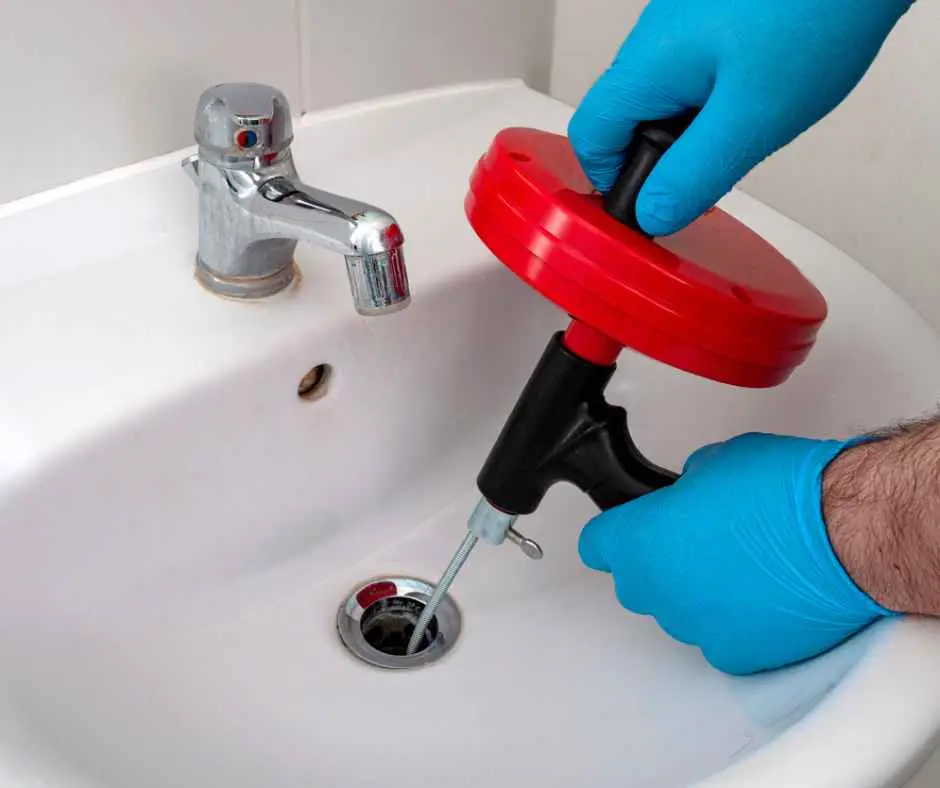
Mechanical drain cleaning equipment, such as professional drain cables or augers, can break through or retrieve many common obstructions. These tools may be effective for hair buildup, certain grease blockages, and materials lodged within accessible drain lines.
For recurring or difficult-to-locate problems, a sewer camera inspection may help identify conditions inside the pipe. Video inspections can reveal root intrusion, damaged sections, recurring debris accumulation, or other issues that require attention.
Hydro jetting is another method used in appropriate situations. This process uses high-pressure water to remove certain deposits from pipe interiors, but it isn’t suitable for every plumbing system.
Evaluate older, deteriorated, or damaged pipes before considering high-pressure cleaning. In some cases, repairing or replacing a damaged section of plumbing is necessary to prevent future blockages.
For Marietta homeowners, the most effective approach depends on what’s causing the recurring clog. A professional diagnosis helps determine whether cleaning alone is sufficient or whether additional plumbing repairs are needed.
How Can Marietta Homeowners Prevent Future Drain Clogs?
Preventing recurring drain clogs starts with understanding what should and shouldn’t enter household plumbing. Small changes to everyday kitchen and bathroom habits can help reduce buildup and keep wastewater moving through the drainage system.
Practical drain maintenance tips include:
- Keep grease out of drains: Allow cooking oils and fats to cool before disposing of them in the trash.
- Scrape dishes before washing: Remove food scraps instead of rinsing large amounts into the sink.
- Use drain strainers: Catch hair, food particles, and other debris before they enter plumbing.
- Avoid flushing wipes: Even products labeled flushable can contribute to sewer blockages.
- Dispose of hygiene products properly: Keep cotton products, paper towels, and other non-flushable materials out of toilets.
- Address slow drains early: Investigate recurring drainage changes before complete blockages develop.
- Avoid repeated chemical treatments: Don’t rely on chemical cleaners to manage persistent drainage problems.
- Schedule professional evaluations: Have recurring clogs investigated to identify possible underlying causes.
Homeowners should also remember that pouring hot water down a drain doesn’t reliably remove heavy grease buildup or correct damaged plumbing. While routine maintenance can help reduce certain clogs, it cannot resolve every structural or underground drainage problem.
If your Marietta home experiences repeated blockages despite good drain habits, a professional inspection may help identify a problem that routine maintenance can’t fix.
Get to the Bottom of Recurring Clogs With All Airs
Recurring drain clogs are more than a household inconvenience, especially when chemical drain cleaners only provide temporary improvement. Whether the problem involves grease buildup, hair, foreign objects, or damaged plumbing, identifying the underlying cause helps you choose the right solution.
At All Airs Heating, Cooling & Plumbing, we understand how frustrating persistent drainage problems can be for homeowners throughout Marietta, Marietta Square, and surrounding Cobb County communities. Addressing slow drains and repeated blockages early can help prevent more disruptive plumbing problems and unexpected wastewater backups.
If your kitchen sink, bathroom drain, or other plumbing fixture keeps clogging despite repeated cleaning attempts, contact All Airs Heating, Cooling & Plumbing today. Our team can help evaluate your drainage concerns and recommend appropriate plumbing solutions to keep your Marietta home functioning properly.