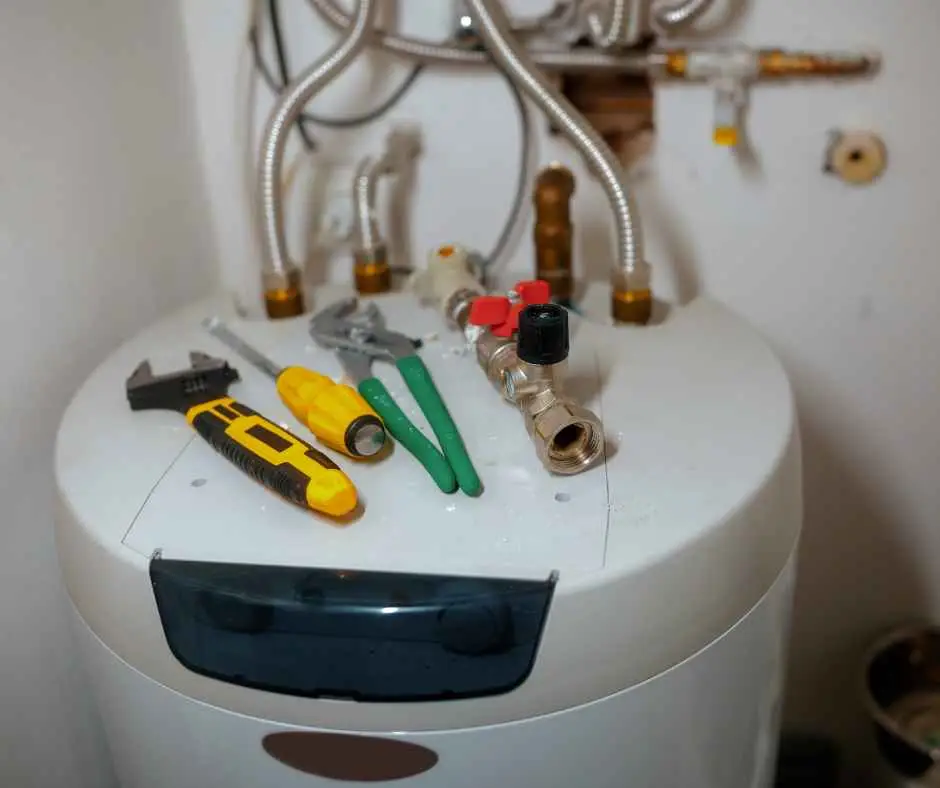
A water heater shouldn’t sound like a pot of rocks boiling inside it. If your tank starts rumbling, popping, or crackling when it heats water, sediment collecting at the bottom of the tank could be responsible.
For Marietta homeowners, that explanation may seem surprising. Marietta Water describes the water in its service area as moderately soft, ranging from approximately 1 to 2 grains per gallon. If you already have relatively soft water, or use a water softener, why would sediment still accumulate?
The answer is that hardness and sediment are not the same thing. Soft water can reduce certain types of mineral scale, but it doesn’t guarantee the inside of a water heater will stay completely free of deposits.
In this guide, we’ll explain why a water heater can rumble even with soft water, where sediment comes from, when flushing may help, and when unusual noises mean it is time to have the water heater professionally inspected.
What Causes a Water Heater to Make a Rumbling Noise?
Sediment collecting at the bottom of a tank water heater can cause rumbling and popping noises.
As the burner or heating elements heat the water, water can become trapped around accumulated deposits. Movement and bubbling around that material can create noises homeowners describe as popping, crackling, or rumbling.
Sediment is not the only possible explanation for water heater noise. Sounds can also be associated with:
- Normal expansion and contraction
- Heating elements
- Plumbing movement
- Pressure changes
- Components within the water heater
- Other mechanical issues
The U.S. Department of Energy has published manufacturer water-heater guidance noting that normal operation can produce some sounds, while sediment buildup at the bottom of a tank can also create varying amounts of noise.
A new or increasingly loud rumbling sound is worth investigating rather than assuming it is normal.
Can Sediment Build Up Even if You Have Soft Water?
Yes. Soft water does not mean sediment-free water.
Water hardness primarily describes concentrations of dissolved calcium and magnesium. A traditional water softener addresses these hardness minerals, but that doesn’t mean it removes everything that could eventually accumulate inside a water heater.
Sediment can include or result from:
- Small amounts of remaining minerals
- Suspended particles
- Corrosion byproducts
- Material originating within plumbing
- Deposits that existed before a softener was installed
- Debris entering during plumbing work or water-system disturbances
Marietta Water, for example, explains that rusty or discolored water can sometimes result from rust or iron oxides originating in distribution piping, galvanized service lines, or plumbing inside a home.
Water hardness describes specific dissolved minerals, while water heater sediment can come from multiple sources.
That is why a tank can still require maintenance even in an area with relatively soft water.
Where Does Water Heater Sediment Come From?
Water heaters continually receive fresh water. Over thousands of heating cycles, small amounts of material can settle rather than immediately leaving through a hot-water fixture.
Potential sources include:
Minerals in the Water
Soft water contains fewer hardness minerals than hard water, but “soft” does not mean chemically pure. Dissolved and suspended material can still be present.
Plumbing and Distribution Systems
Particles associated with piping, corrosion, repairs, or disturbances can occasionally travel with incoming water.
Existing Scale and Deposits
If a water softener was installed after the water heater had already been operating for years, it does not automatically remove material that accumulated beforehand.
Internal Water Heater Components
Corrosion-related material and normal changes within an aging tank can also contribute to what collects at the bottom.
Over time, gravity does its job. Material that does not leave the tank can settle toward the bottom, creating a layer of sediment.
Does a Water Softener Prevent Water Heater Sediment?
Not completely. A conventional water softener is primarily designed to reduce water hardness through a process called ion exchange. Calcium and magnesium are exchanged for other ions as water passes through the system. That can help reduce hardness-related scale, but a softener is not the same as a sediment filtration system.
A water softener also does not eliminate the need to maintain the water heater itself.
Homeowners with softeners should:
- Keep the softener properly maintained.
- Follow the manufacturer’s recommendations.
- Watch for changes in water quality.
- Continue following water heater maintenance guidance.
- Investigate unusual water heater sounds or performance.
If you have both a softener and a rumbling water heater, do not assume sediment is impossible. The tank itself still deserves evaluation.
What Are the Signs of Sediment Buildup in a Water Heater?
Noise is one symptom homeowners may notice, but it is not the only reason to suspect sediment.
Possible warning signs include:
- Rumbling from the tank during heating
- Popping or crackling sounds
- Visible sediment during draining
- Changes in hot water performance
- Unusual sounds that become more noticeable over time
- Evidence of deposits during water heater maintenance
These symptoms do not prove sediment is the cause.
For example, inconsistent hot water could result from a thermostat, heating element, burner, equipment sizing, or another water heater problem. Noise can also have multiple explanations.
If symptoms persist, professional diagnosis can determine whether sediment or another component is responsible.
Can Sediment Damage Your Water Heater?
Significant sediment accumulation can interfere with normal water heater operation.
In some tank designs, deposits create an additional layer between the heat source and the water. The water heater must still perform its basic job of transferring heat into the water stored inside the tank.
Sediment can also contribute to noise and may complicate maintenance as it builds up.
Potential concerns include:
- Increasing rumbling or popping
- Changes in heating performance
- Additional stress on certain components
- Difficulty removing long-established deposits
- Problems that become harder to address as the water heater ages
This does not mean a noisy water heater is automatically about to fail. It does mean you shouldn’t ignore persistent changes in how the equipment sounds or performs.
The water heater’s condition and age matter when deciding what to do next.
Should You Flush a Rumbling Water Heater?
Flushing is a common maintenance procedure used to remove sediment from tank water heaters.
However, homeowners should not automatically assume that draining an older, neglected tank is the right DIY response to every rumbling sound.
Several factors matter:
- Age of the water heater
- Maintenance history
- Amount of accumulated sediment
- Condition of the drain valve
- Evidence of corrosion
- Existing leaks
- Manufacturer recommendations
- Type of water heater
A tank that has received regular maintenance is different from an older unit that may not have been drained in many years.
If you don’t know the maintenance history, the tank shows signs of deterioration, or water is already leaking around the unit, professional evaluation is the safer approach.
A plumber can determine whether flushing is appropriate or whether the equipment’s condition calls for another solution.
How Often Should a Water Heater Be Flushed in Marietta?
No maintenance schedule is perfect for every water heater.
The appropriate frequency can depend on:
- Manufacturer recommendations
- Water heater design
- Water quality
- Household water consumption
- Equipment age
- Previous maintenance
- Amount of sediment found during service
Marietta’s relatively soft municipal water may reduce some hardness-related concerns compared with areas that have extremely hard water, but that does not make water heater maintenance unnecessary.
Start with the maintenance instructions provided by the water heater manufacturer. A plumber can also recommend a schedule based on the condition of your equipment and what they find during service.
What if the Water Heater Still Rumbles After Flushing?
If the noise continues after proper maintenance, you may need further diagnosis.
Persistent rumbling can mean:
- Sediment remains inside the tank.
- Accumulation is more substantial than expected.
- The sound has another mechanical cause.
- A component needs attention.
- The water heater is showing age-related problems.
Do not repeatedly flush the unit without knowing what is causing the sound.
A plumber can inspect the equipment, consider its age and maintenance history, and determine whether additional service, repair, or replacement makes the most sense.
This is especially important if noise is accompanied by leaking, unreliable hot water, corrosion, or other performance changes.
How Can You Reduce Future Water Heater Buildup?
You cannot guarantee that a tank will remain completely free of sediment, but good maintenance can help keep the water heater in better condition.
Homeowners can:
- Follow the manufacturer’s maintenance schedule.
- Have the water heater inspected when unusual noises develop.
- Properly maintain a water softener if one is installed.
- Watch for changes in water color or quality.
- Address plumbing corrosion or water-quality concerns as soon as you identify them.
- Keep records of water heater maintenance.
- Have older equipment evaluated rather than waiting for a failure.
If you recently moved into a Marietta home and don’t know when the water heater was last serviced, an inspection can provide a useful starting point.
Is a Rumbling Water Heater Always an Emergency?
Not necessarily. Some water heater sounds are normal, while others can indicate sediment or a component that needs attention.
The circumstances around the noise matter.
Schedule professional service if you notice rumbling along with:
- Water leaking around the tank
- Visible corrosion
- Unreliable hot water
- Significant changes in performance
- Increasingly loud or frequent noises
- Discolored hot water
- Other unusual water heater behavior
If the tank itself is leaking, prompt attention matters because flushing cannot repair a failed storage tank.
Rather than diagnosing the problem based on sound alone, have the equipment evaluated so you know what is actually happening.
Get a Noisy Water Heater Checked by All Airs Heating, Cooling & Plumbing
Marietta’s relatively soft water does not make your water heater immune to sediment.
Hardness minerals are only one potential contributor to deposits inside a tank. Suspended material, corrosion byproducts, existing scale, and other debris can still accumulate over years of operation. When that material settles at the bottom, rumbling and popping may be your first clue that the water heater needs attention.
All Airs Heating, Cooling & Plumbing can inspect your water heater, identify the cause of unusual noises, and recommend the right maintenance, repair, or replacement solution. If your Marietta water heater has started rumbling, popping, or behaving differently, contact us today to schedule professional water heater service.