A household clog that keeps coming back is usually a sign that the blockage has not been fully removed or that a deeper plumbing problem is causing debris to collect repeatedly. A plunger or simple hand tool may restore drainage temporarily, but recurring clogs often need more than another quick fix.
In this guide, you will learn when professional drain cleaning is worth it, what a plumber can do differently, and which warning signs suggest the problem may involve more than one fixture. For Marietta homeowners, the key is knowing when a minor clog has become a recurring plumbing issue that deserves a closer look.
Is Professional Drain Cleaning Worth It for a Persistent Clog?
Professional drain cleaning is usually worth considering when the same clog keeps returning, several fixtures are draining slowly, or basic household methods only provide temporary relief. A plumber can reach deeper obstructions, remove more buildup, and determine whether the problem involves the main drain or sewer line.
Professional service becomes especially useful when:
- The clog returns within days or weeks
- More than one drain is affected
- Water backs up into another fixture
- Toilets or drains gurgle
- Sewage odors are present
- Basic plunging stops working
- The home has a history of main-line problems
- You cannot tell where the obstruction is located
One slow sink does not always require professional service. A pattern of recurring or widespread drainage problems is more concerning.
When Is a Household Drain Clog Safe to Handle Yourself?
A simple homeowner fix may be reasonable when the clog is isolated and close to the drain opening.
For example, you may be able to handle the problem yourself when:
- Only one sink, tub, or shower is affected
- Hair or visible debris is near the opening
- A plunger restores normal drainage
- The clog does not immediately return
- There are no sewage odors
- Other fixtures drain normally
Removing visible hair from a shower drain or plunging a slow toilet may solve a minor obstruction.
The situation changes when the clog repeatedly returns or the symptoms affect several fixtures. That often means the blockage is deeper inside the drainage system.
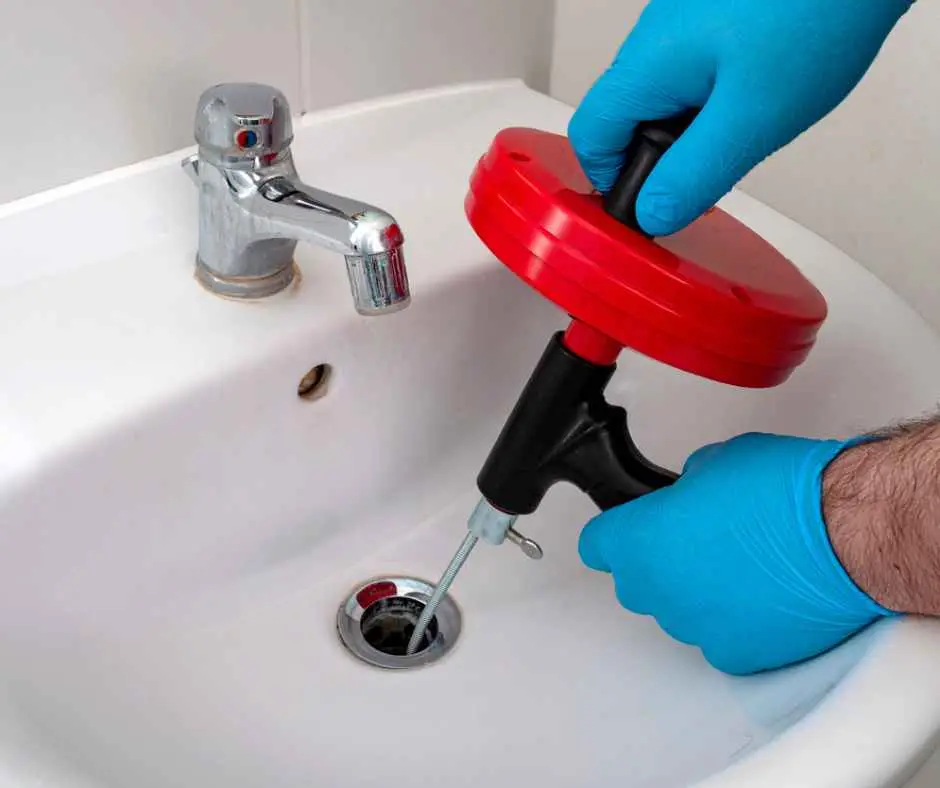
Homeowners should also be cautious with powered drain-cleaning equipment. Motorized augers can damage piping or cause injury when used incorrectly. Deep main-line clogs are better handled by someone with the proper equipment and experience.
Why Does the Same Drain Keep Clogging?
A clog often returns because the original blockage was only partially opened rather than fully removed.
Imagine a pipe coated with grease, soap residue, or hair. A basic snake may punch a narrow hole through that material and allow water to flow again. The remaining buildup can quickly catch more debris and close the opening.
Recurring clogs may be caused by:
- Hair and soap buildup
- Grease
- Food debris
- Wipes
- Foreign objects
- Mineral or scale buildup
- Tree roots
- Corroded piping
- Improper pipe slope
- A sagging drain or sewer line
- A damaged or separated pipe
The location of the problem matters.
If the same bathroom sink keeps clogging, the issue may be in the fixture drain. If toilets, showers, and sinks throughout the home are affected, the obstruction may be in the main drain or private sewer line.
Repeatedly treating the symptom without identifying the cause can lead to more frequent clogs and a higher risk of wastewater backup.
What Does Professional Drain Cleaning Do Differently?
Professional drain cleaning gives a plumber access to equipment that can reach farther into the drainage system and address more substantial buildup.
The exact method depends on the pipe, blockage, and condition of the plumbing.
A plumber may use:
- Professional drain cables
- Specialized cutting heads
- Root-cutting equipment
- High-pressure cleaning when appropriate
- Access through a main cleanout
- Camera inspection after or before cleaning
The biggest advantage is not simply having stronger equipment. It is choosing the correct method for the actual problem.
A plumber can consider:
- Which fixtures are affected
- Where the clog is likely located
- The age and material of the pipe
- Whether the blockage keeps returning
- Whether the line may be damaged
- Whether roots or heavy buildup are involved
Cleaning should restore normal flow without unnecessarily stressing the piping.
An older or damaged line may require a more cautious approach than newer plumbing in good condition.
What If More Than One Drain Is Slow or Backing Up?
Multiple slow drains are an important warning sign because they may indicate a blockage deeper in the plumbing system.
Pay attention when:
- A toilet flush causes the shower to gurgle
- Water rises in a tub when the washing machine drains
- Several sinks become slow at once
- A lower-level drain backs up
- Multiple toilets stop flushing normally
- Sewage odors appear from several drains
These symptoms can suggest that wastewater is having trouble moving through a shared drain or sewer line.
The lowest fixture in the home may show the problem first because wastewater backs up at the lowest available opening.
Do not continue running large amounts of water when sewage is backing up. Running the dishwasher, washing machine, showers, or multiple toilets can add more wastewater to an already restricted line.
Professional cleaning can restore flow when a main-line obstruction is the cause, but repeated main-line clogs may require additional investigation.
When Does a Persistent Clog Need a Camera Inspection?
A sewer camera inspection is not necessary for every clogged sink or toilet. It becomes more valuable when the same problem continues after cleaning or when a plumber suspects structural damage.
Consider a camera inspection when:
- The main line keeps clogging
- Roots are suspected
- The home has older underground piping
- Cleaning only provides short-term relief
- The plumber suspects a crack or separated joint
- Standing water remains inside the pipe
- A sagging section may be collecting waste
- A collapse or obstruction cannot be explained
A camera inspection allows the plumber to see inside accessible sections of the line.
It may reveal:
- Root intrusion
- Corrosion
- Cracks
- Displaced joints
- Heavy buildup
- Standing water
- Foreign objects
- Partial collapse
Drain cleaning and camera inspection serve different purposes. Cleaning restores flow. Camera inspection helps determine why the flow became restricted.
That distinction can be important when homeowners have already paid to clear the same line several times.
Can Chemical Drain Cleaners Make the Problem Worse?
Chemical drain cleaners may dissolve some organic material, but they are not a reliable solution for every clog.
They are unlikely to fix problems caused by:
- Solid foreign objects
- Tree roots
- Major grease buildup
- A collapsed pipe
- Improper pipe slope
- A separated joint
- Structural sewer damage
Repeated chemical use can also complicate professional service. A plumber working on the drain may be exposed to chemicals that remain inside the pipe.
Never mix different drain-cleaning chemicals. Chemical combinations can produce dangerous reactions or gases.
If you have already used a chemical product, tell the plumber before service begins.
For a visible hair clog or simple obstruction, mechanical removal may be more effective than repeatedly pouring chemicals into the drain. When the clog is persistent or deeper in the system, professional diagnosis is usually more useful than another bottle of cleaner.
What Signs Mean You Should Call a Plumber Instead of Trying Again?
A recurring clog becomes more urgent when it starts affecting normal household use or creates a risk of sewage backup.
Call a plumber when you notice:
- The same drain clogs repeatedly
- Several drains are slow
- Sewage backs up into a tub or shower
- Toilets gurgle when another fixture drains
- Strong sewer odors develop
- Standing wastewater appears
- Water rises in one fixture when another is used
- Plunging no longer helps
- Drain problems are becoming more frequent
- Wet areas appear outside along the sewer route
Sewage backup should be treated seriously. Wastewater can contain bacteria and other contaminants.
Limit water use until the blockage is cleared. Avoid contact with contaminated water and arrange appropriate cleanup when sewage enters finished areas of the home.
A sudden drain problem does not automatically mean the sewer line needs replacement. Many blockages can be cleared successfully. The important step is determining why the problem is happening.
When Is Professional Drain Cleaning Worth the Cost?
Professional drain cleaning is most valuable when it stops the cycle of repeated temporary fixes.
It may be worth the cost when professional service can:
- Reach a blockage household tools cannot
- Remove more of the buildup
- Restore full drainage
- Identify a deeper main-line issue
- Reduce the likelihood of another immediate clog
- Help prevent an unexpected backup
- Determine whether pipe damage needs further inspection
Homeowners should compare the cost of professional service with the inconvenience and risk of repeatedly dealing with the same blockage.
A clog that returns every few weeks is not truly solved just because the water is moving again.
Professional cleaning also gives you the opportunity to ask why the blockage formed and what can be done to reduce the chance of another one.
How Can You Keep Drains Clear After Professional Cleaning?
Good habits can help reduce future buildup after the line has been cleared.
Homeowners should:
- Keep grease out of kitchen drains
- Use drain strainers for food and hair
- Avoid flushing wipes
- Dispose of hygiene products in the trash
- Remove visible hair regularly
- Avoid pouring oils down sinks
- Respond to slow drainage early
- Follow any maintenance recommendations from the plumber
Remember that maintenance cannot repair damaged piping. If a clog keeps returning because of roots, corrosion, poor slope, or a structural defect, changing household habits alone may not solve the problem.
Keep records of repeated clogs and drain-cleaning visits. A service history can help identify patterns and determine when further inspection is justified.
Stop Treating the Same Clog Over and Over
A minor household clog may respond to a plunger or simple cleaning, but a persistent blockage deserves more attention. If the same drain repeatedly slows, several fixtures are affected, or wastewater begins backing up, professional drain cleaning can provide a more complete solution.
The goal is not just to make water disappear temporarily. It is to restore normal flow and determine whether buildup, a main-line obstruction, or damaged piping is causing the problem.
All Airs Heating, Cooling & Plumbing helps Marietta homeowners diagnose recurring drain problems and restore proper plumbing flow. When another temporary fix is no longer solving the issue, contact us today to schedule professional drain service.